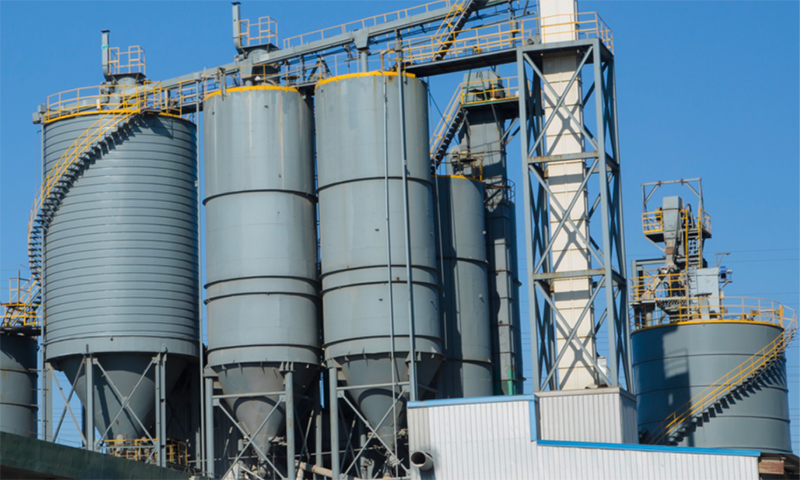



একটি সেট আপ করার পরিকল্পনা AAC ব্লক উত্পাদন লাইন ? আপনার প্রতিশ্রুতি দেওয়ার আগে মোট বিনিয়োগ, উৎপাদন প্রক্রিয়া এবং প্রত্যাশিত ROI বোঝা গুরুত্বপূর্ণ।
এই নির্দেশিকাটি আপনার AAC প্ল্যান্ট প্রকল্পের সাফল্য নির্ধারণকারী সরঞ্জামের তালিকা, খরচের কাঠামো এবং মূল বিষয়গুলিকে ভেঙে দেয়। আপনি মূল্যায়ন করছেন কিনা AAC ব্লক কারখানা সেটআপ খরচ বা তুলনা AAC ব্লক উত্পাদন প্রকল্প পরিস্থিতি, এই ব্যাপক সম্পদ বাস্তব-বিশ্ব শিল্প তথ্য থেকে আঁকা কর্মযোগ্য অন্তর্দৃষ্টি প্রদান করে।
মূল অন্তর্দৃষ্টি: বৈশ্বিক AAC বাজার 2030 সাল পর্যন্ত 6.2% CAGR-এ বৃদ্ধি পাবে বলে ধারণা করা হচ্ছে, যা হালকা ওজনের, শক্তি-দক্ষ নির্মাণ সামগ্রীর চাহিদা দ্বারা চালিত হবে। উদীয়মান অঞ্চলে ফার্স্ট-মুভার সুবিধা উল্লেখযোগ্যভাবে আপনার উন্নতি করতে পারে AAC ব্লক প্লান্ট ROI .
একটি AAC ব্লক উত্পাদন লাইন কি?
আ AAC ব্লক উত্পাদন লাইন এটি একটি সম্পূর্ণ স্বয়ংক্রিয় উৎপাদন ব্যবস্থা যা অটোক্লেভড এরেটেড কংক্রিট ব্লক তৈরি করার জন্য ডিজাইন করা হয়েছে। এটি একটি একক মেশিন নয় বরং সরঞ্জাম এবং প্রক্রিয়াগুলির একটি সমন্বিত ক্রম যা কাঁচামালকে নির্ভুল-ইঞ্জিনিয়ারযুক্ত লাইটওয়েট বিল্ডিং ব্লকে রূপান্তরিত করে।
একটি সম্পূর্ণ লাইনের মধ্যে রয়েছে কাঁচামাল প্রক্রিয়াকরণ, ব্যাচিং এবং মিক্সিং, পোরিং, প্রি-কিউরিং, কাটিং এবং অটোক্লেভ কিউরিং সিস্টেম। প্রতিটি পর্যায় পরস্পর নির্ভরশীল, এবং সামগ্রিক দক্ষতা AAC উদ্ভিদ এই উপাদানগুলি কতটা ভালভাবে সিঙ্ক্রোনাইজ করা হয় তার উপর নির্ভর করে।
ক্ষমতা পরিসীমা: ছোট-স্কেল 30,000 m³/বছর থেকে শিল্প-স্কেল 300,000 m³/বছর লাইন। ক্ষমতা পছন্দ সরাসরি প্রভাবিত করে আপনার AAC ব্লক উত্পাদন লাইন cost এবং কারখানার পদচিহ্ন।
একটি AAC ব্লক উৎপাদন লাইনের খরচ কত? (সম্পূর্ণ বিনিয়োগ ব্রেকডাউন)
এটি যেকোনো বিনিয়োগকারীর জন্য সবচেয়ে গুরুত্বপূর্ণ প্রশ্ন। দ AAC ব্লক উত্পাদন লাইন cost ক্ষমতা, অটোমেশন স্তর, এবং স্থানীয় অবকাঠামো অবস্থার উপর ভিত্তি করে ব্যাপকভাবে পরিবর্তিত হয়। নীচে একটি স্বচ্ছ, ডেটা-চালিত ব্রেকডাউন রয়েছে৷
উৎপাদন ক্ষমতা দ্বারা খরচ
একাধিক প্রকল্পের রেফারেন্স থেকে সংকলিত ডেটা। প্রকৃত দাম অঞ্চল, কাঁচামাল অ্যাক্সেসযোগ্যতা এবং নির্দিষ্ট কনফিগারেশন অনুসারে পরিবর্তিত হয়।
বিস্তারিত খরচ ব্রেকডাউন
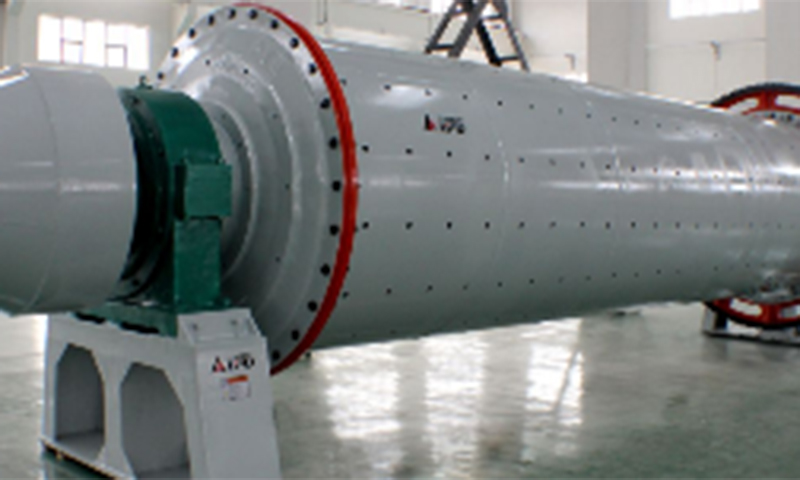
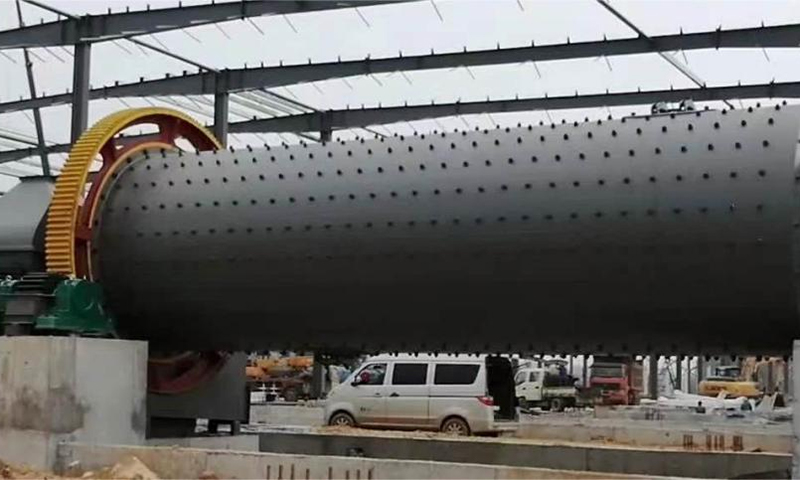
- সরঞ্জাম (40-55%): মূল যন্ত্রপাতি সহ অটোক্লেভ , কাটা মেশিন , মিক্সার , বল কল , এবং ব্যাচিং সিস্টেম। এটি সবচেয়ে বড় খরচের উপাদান এবং সরাসরি পণ্যের গুণমানকে প্রভাবিত করে।
- বেসামরিক নির্মাণ (20-30%): ফ্যাক্টরি বিল্ডিং, কাঁচামাল স্টোরেজ সাইলো, কিউরিং ইয়ার্ড এবং প্রশাসনিক অবকাঠামো।
- ইউটিলিটি সিস্টেম (10-15%): বয়লার, পাওয়ার সাপ্লাই, জল সঞ্চালন, এবং সংকুচিত বায়ু সিস্টেম।
- ইনস্টলেশন ও কমিশনিং (5-10%): পেশাদার ইনস্টলেশন, ট্রায়াল রান, এবং অপারেটর প্রশিক্ষণ।
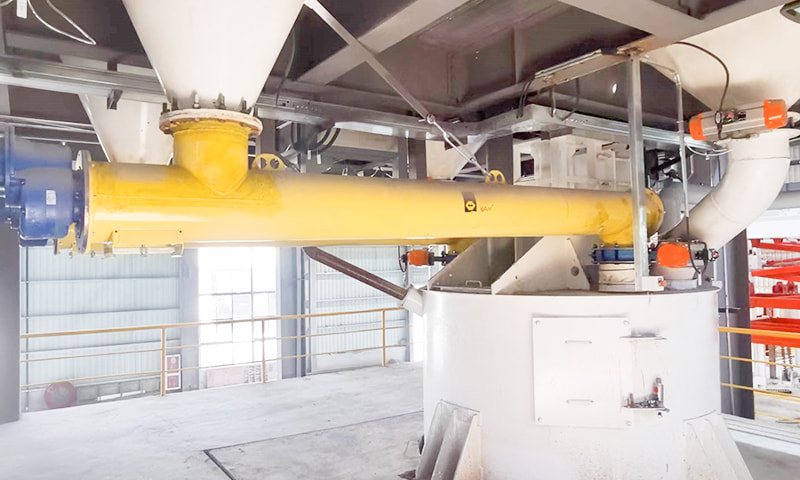
AAC ব্লক উৎপাদন প্রক্রিয়া ব্যাখ্যা করা হয়েছে
বোঝা AAC উত্পাদন প্রক্রিয়া সরঞ্জামের চাহিদা এবং অপারেশনাল দক্ষতা মূল্যায়নের জন্য অপরিহার্য। নীচে একটি বিস্তারিত ধাপে ধাপে ব্রেকডাউন আছে AAC উত্পাদন লাইন প্রক্রিয়া প্রবাহ .
ধাপে ধাপে প্রক্রিয়া প্রবাহ
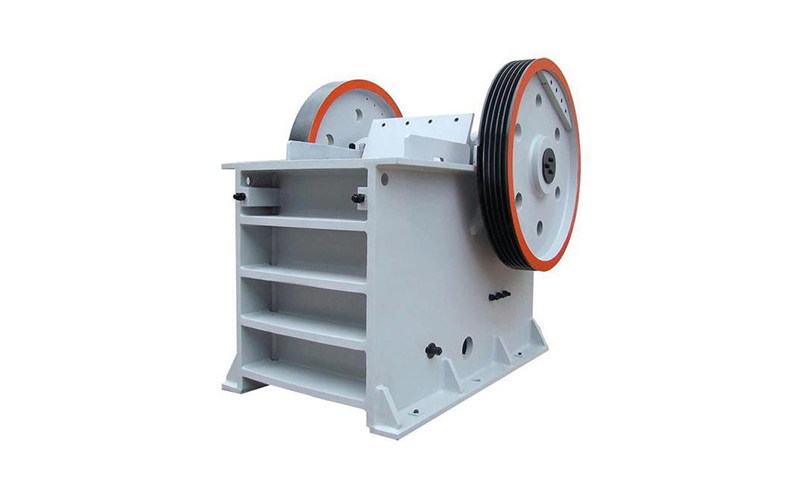
- কাঁচামাল Preparation: কাঁচামাল (ফ্লাই অ্যাশ বা বালি, সিমেন্ট, চুন, জিপসাম, অ্যালুমিনিয়াম পাউডার) গুঁড়ো করা হয় এবং প্রয়োজনীয় সূক্ষ্মতা ব্যবহার করে বল কল এবং crushers.
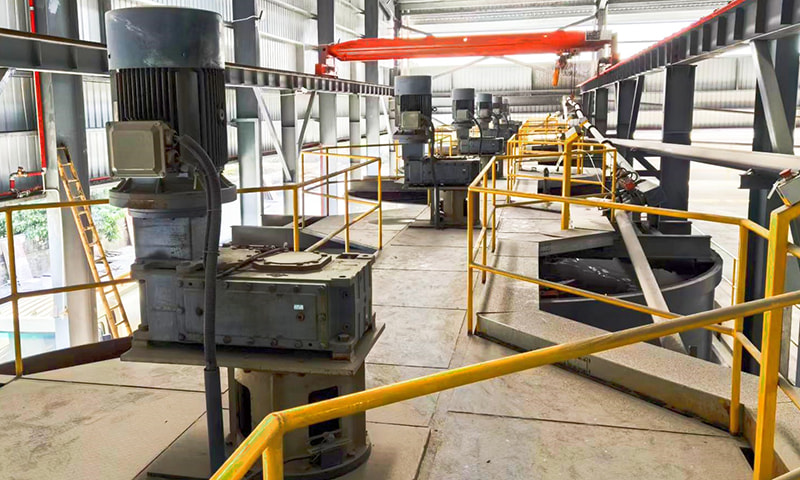
- ব্যাচিং এবং মিক্সিং: সঠিক অনুপাত পণ্যের মানের ধারাবাহিকতা নিশ্চিত করে। কম্পিউটার-নিয়ন্ত্রিত ব্যাচিং সিস্টেমে খাওয়ানোর আগে প্রতিটি উপাদানের ওজন করে মিক্সার .
- কাস্টিং এবং প্রি-কিউরিং: স্লারিটি ছাঁচে ঢেলে 40-45°C তাপমাত্রায় প্রায় 2 ঘন্টার জন্য ফোম করার জন্য নিরাময় করা হয়। এই ধাপটি AAC এর সেলুলার গঠন নির্ধারণ করে।
- কাটিং: সবুজ কেক সূক্ষ্মতার সাথে নির্দিষ্ট মাত্রায় কাটা হয় কাটা মেশিন . আধুনিক লাইনগুলি পরিষ্কার, সঠিক মাত্রার জন্য তার-কাটিং প্রযুক্তি ব্যবহার করে।
- অটোক্লেভ নিরাময়: কাটা ব্লকগুলি বাষ্পে নিরাময় করা হয় অটোক্লেভ 8-10 ঘন্টার জন্য 1.2MPa এ। এটি একটি গুরুত্বপূর্ণ পদক্ষেপ যা AAC-কে তার লাইটওয়েট, শক্তি এবং তাপ নিরোধকের অনন্য বৈশিষ্ট্য দেয়।
- প্যাকেজিং and Storage: সমাপ্ত ব্লক চালানের জন্য মোড়ানো বা স্ট্যাক করা হয়. স্বয়ংক্রিয় প্যাকেজিং সিস্টেম ক্ষতি কমায় এবং লজিস্টিক দক্ষতা উন্নত.
আপনার AAC প্ল্যান্ট বিনিয়োগকে প্রভাবিত করে এমন মূল বিষয়গুলি৷
দ AAC ব্লক উত্পাদন লাইন price একটি নির্দিষ্ট সংখ্যা নয়। বেশ কয়েকটি ভেরিয়েবল মোট বিনিয়োগকে 30-50% দ্বারা স্থানান্তর করতে পারে। এসব বোঝা AAC উদ্ভিদ cost factors আপনাকে আপনার বাজেট অপ্টিমাইজ করতে সাহায্য করে।
অটোমেশন লেভেল
সম্পূর্ণ স্বয়ংক্রিয় লাইনের দাম 20-40% বেশি কিন্তু শ্রমের খরচ 60% পর্যন্ত কমায় এবং পণ্যের সামঞ্জস্য উল্লেখযোগ্যভাবে উন্নত করে।
কাঁচামাল Source
ফ্লাই অ্যাশ-ভিত্তিক সিস্টেম বনাম বালি-ভিত্তিক সিস্টেমগুলির জন্য বিভিন্ন হ্যান্ডলিং কনফিগারেশন প্রয়োজন, যা সরঞ্জাম এবং লেআউট খরচ উভয়কেই প্রভাবিত করে।
অটোক্লেভ পরিমাণ
দ number of অটোক্লেভ সরাসরি দৈনিক আউটপুট এবং মোট খরচ প্রভাবিত করে। প্রতিটি অটোক্লেভ বিনিয়োগে $150,000–$300,000 যোগ করে।
ইপিসি বনাম সরঞ্জাম-শুধুমাত্র
টার্নকি ইপিসি প্রকল্পগুলির মধ্যে রয়েছে প্ল্যান্ট ডিজাইন, ইনস্টলেশন, এবং প্রশিক্ষণ - উচ্চতর অগ্রিম খরচ, কিন্তু প্রকল্পের ঝুঁকি হ্রাস করা এবং দ্রুত সময়ের মধ্যে বাজার।
কিভাবে সঠিক AAC ব্লক উৎপাদন লাইন সরবরাহকারী নির্বাচন করবেন
একটি নির্ভরযোগ্য নির্বাচন AAC উত্পাদন লাইন প্রস্তুতকারক সরঞ্জাম নিজেই হিসাবে গুরুত্বপূর্ণ. একটি দুর্বল পছন্দ বিলম্ব, মানের সমস্যা এবং লুকানো খরচ হতে পারে। আপনার সম্ভাব্য অংশীদারদের মূল্যায়ন করার সময় এই মূল্যায়নের মানদণ্ড ব্যবহার করুন টার্নকি AAC প্ল্যান্ট প্রকল্প .
- শিল্প অভিজ্ঞতা এবং ট্র্যাক রেকর্ড: কমপক্ষে 5-10 বছরের ডেডিকেটেড AAC লাইন উত্পাদন সহ সরবরাহকারীদের সন্ধান করুন।
- ইন-হাউস অটোক্লেভ এবং কাটিং মেশিন উত্পাদন ক্ষমতা: সরবরাহকারীরা যারা ঘরের মধ্যে মূল উপাদান উত্পাদন করে তারা সাধারণত আরও ভাল মানের নিয়ন্ত্রণ এবং খুচরা যন্ত্রাংশের প্রাপ্যতা অফার করে।
- ইপিসি পরিষেবার সুযোগ: লেআউট ডিজাইন, ইনস্টলেশন, অপারেটর প্রশিক্ষণ - ব্যাপক পরিষেবা আপনার পরিচালনার বোঝা হ্রাস করে।
- বিক্রয়োত্তর সমর্থন এবং খুচরা যন্ত্রাংশ প্রাপ্যতা: দ্রুত প্রতিক্রিয়া সময় এবং স্থানীয় খুচরা যন্ত্রাংশ ইনভেন্টরি উত্পাদন ডাউনটাইম কমিয়ে দেয়।
প্রো টিপ: উদ্ধৃতি তুলনা করার সময়, আপনি লাইক-এর জন্য-লাইক তুলনা করছেন তা নিশ্চিত করুন। কিছু সরবরাহকারী বয়লার বা বৈদ্যুতিক সিস্টেমের মতো গুরুত্বপূর্ণ উপাদানগুলি বাদ দেয়। সর্বদা সরবরাহের বিস্তারিত সুযোগের জন্য জিজ্ঞাসা করুন এবং এর মধ্যে কী অন্তর্ভুক্ত রয়েছে তা স্পষ্ট করুন AAC ব্লক উত্পাদন লাইন cost .
একটি AAC ব্লক উত্পাদন প্রকল্পের ROI
দ ultimate measure of any industrial project is profitability. Below is a realistic assessment of AAC ব্লক প্লান্ট ROI এবং AAC উদ্ভিদ profitability বর্তমান বাজার তথ্যের উপর ভিত্তি করে।
সাধারণ উৎপাদন খরচ প্রতি m³
$45 - $70
কাঁচামাল $25-40, শ্রম $5-10, শক্তি $5-8, রক্ষণাবেক্ষণ $3-6
মার্কেট সেলিং প্রাইস রেঞ্জ
$70 - $120
প্রতি m³, অঞ্চল এবং পণ্যের গ্রেড অনুসারে পরিবর্তিত হয়
পেব্যাক সময়কাল
2 - 4 বছর
উচ্চ চাহিদার বাজারে মধ্য-স্কেল লাইনের জন্য
জটিল ROI ড্রাইভার: বাজারের চাহিদা এবং বিক্রয় চ্যানেলগুলি সরঞ্জামের দক্ষতার মতো গুরুত্বপূর্ণ। এমনকি সবচেয়ে দক্ষ AAC ব্লক উত্পাদন লাইন একটি কঠিন বিতরণ নেটওয়ার্ক এবং অফটেক চুক্তি ছাড়াই কম পারফর্ম করবে। সফল উদ্ভিদ মালিকরা উৎপাদন প্রযুক্তির মতো বাজারের উন্নয়নে যতটা বিনিয়োগ করে।
প্রায়শই জিজ্ঞাসিত প্রশ্ন - AAC ব্লক উৎপাদন লাইন সম্পর্কে সাধারণ প্রশ্ন
প্রশ্ন 1: একটি AAC ব্লক প্ল্যান্টের জন্য সর্বনিম্ন বিনিয়োগ কত?
দ minimum investment for a small-scale AAC block plant starts at approximately $300,000. This typically covers a semi-automatic line with an annual capacity of 30,000 m³, excluding land acquisition and some civil works. However, for a fully functional factory including basic infrastructure, budget at least $500,000.
প্রশ্ন 2: একটি AAC কারখানা স্থাপন করতে কতক্ষণ সময় লাগে?
ডিজাইন থেকে ট্রায়াল অপারেশন পর্যন্ত, একটি সাধারণ AAC কারখানা সেটআপ করতে 6-8 মাস সময় লাগে। এর মধ্যে রয়েছে সিভিল নির্মাণের জন্য 2-3 মাস, সরঞ্জাম উত্পাদন এবং সরবরাহের জন্য 3-4 মাস এবং ইনস্টলেশন এবং চালু করার জন্য 1-2 মাস। ইপিসি প্রকল্পগুলির প্রায়শই আরও অনুমানযোগ্য সময়রেখা থাকে।
প্রশ্ন 3: একটি আদর্শ AAC উত্পাদন লাইনের দৈনিক আউটপুট কী?
দৈনিক আউটপুট ছোট আকারের লাইনের জন্য 30 m³/দিন থেকে বড় শিল্প কারখানার জন্য 500 m³/দিন পর্যন্ত। প্রকৃত আউটপুট অটোক্লেভের সংখ্যা, কাটিং মেশিনের ক্ষমতা এবং উপাদান হ্যান্ডলিং সিস্টেমের দক্ষতার উপর নির্ভর করে।
প্রশ্ন 4: একই লাইন বিভিন্ন পণ্য আকার উত্পাদন করতে পারে?
হ্যাঁ। আধুনিক কাটা মেশিন স্ট্যান্ডার্ড ব্লক, লিন্টেল এবং প্যানেল সহ বিভিন্ন ব্লকের মাত্রা তৈরি করতে সামঞ্জস্য করা যেতে পারে। এই নমনীয়তা নির্মাতাদের উল্লেখযোগ্য অতিরিক্ত বিনিয়োগ ছাড়াই বাজারের বিভিন্ন চাহিদার প্রতি সাড়া দিতে দেয়।
প্রশ্ন 5: AAC উত্পাদনের সবচেয়ে গুরুত্বপূর্ণ মান নিয়ন্ত্রণ পয়েন্টগুলি কী কী?
দ three most critical quality control points are: (1) raw material proportioning accuracy, (2) pre-curing temperature and time control, and (3) autoclave curing pressure and duration. Minor deviations in any of these can significantly affect product strength, density, and dimensional stability.